How Sweden's Licensing Rules Shape Secure Payment Flows for Live Slot Sessions on Mobile Platforms
Uma Patterson · Sep 5, 2026
How Sweden's Licensing Rules Shape Secure Payment Flows for Live Slot Sessions on Mobile Platforms
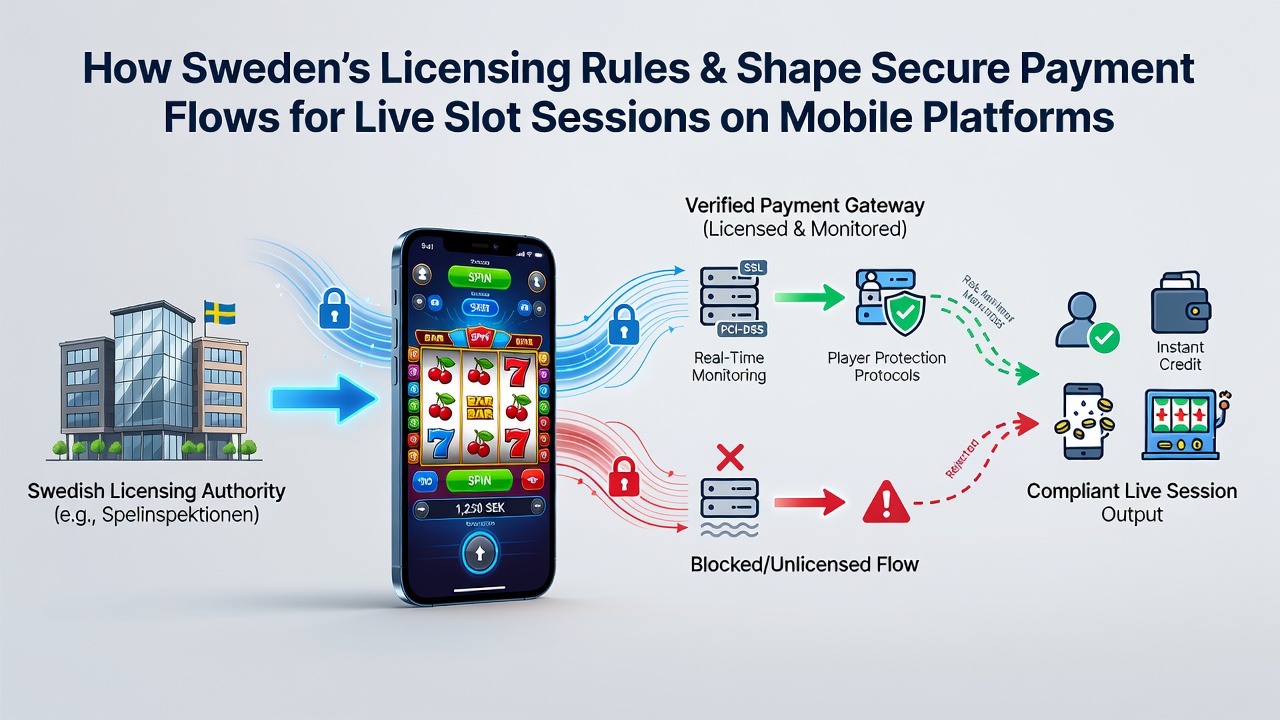
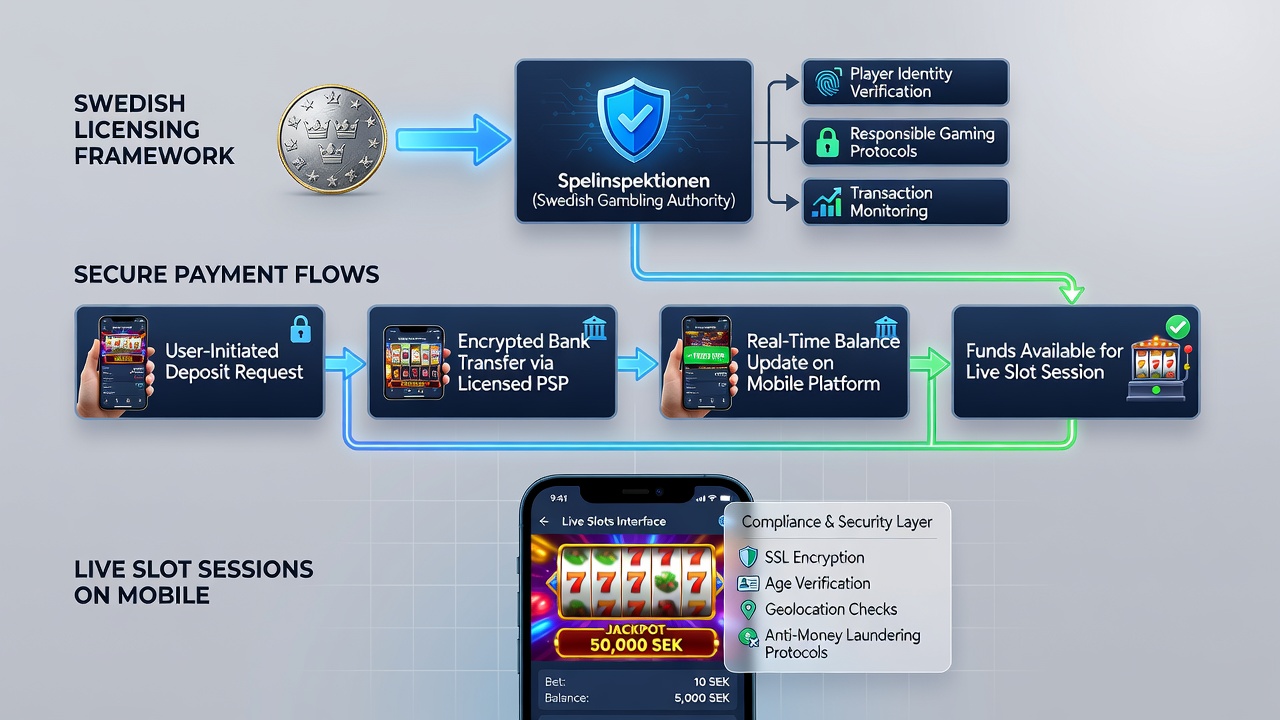
Sweden's licensing system, administered through Spelinspektionen, sets strict parameters around payment processing for operators offering live slot sessions on mobile devices. These rules emerged after the 2019 re-regulation of the gambling market and continue to evolve with technological demands. Operators must demonstrate robust security protocols during the application process, including integration with verified payment gateways that support real-time transactions while maintaining compliance with anti-money laundering standards. The framework requires all licensed entities to use BankID authentication for every deposit and withdrawal, which ties directly into mobile session flows. This creates a layered verification process where players confirm identities before initiating play on live slot interfaces. Data from regulatory filings shows that such measures reduce unauthorized access attempts by significant margins across the sector.Core Licensing Mandates for Payment Infrastructure
Spelinspektionen evaluates payment systems as part of its broader licensing criteria, demanding evidence of PCI DSS Level 1 certification alongside encryption standards that exceed basic requirements. Live slot sessions on mobile platforms add complexity because they involve continuous data exchange between user devices and game servers, making seamless yet secure fund transfers essential. Observers note that applicants must outline procedures for handling micro-transactions common in these environments, where players adjust stakes rapidly during active rounds.
Rules also enforce transaction limits tied to responsible gambling tools, automatically pausing sessions when thresholds are reached. This integration happens at the payment layer, ensuring mobile apps cannot bypass controls even during high-engagement live play periods.
Mobile-Specific Security Protocols
Those who've examined the guidelines find that mobile platforms face additional scrutiny regarding session persistence and device fingerprinting. Licensed operators implement tokenization for card details, replacing sensitive data with unique identifiers that expire after each live slot interaction. Research indicates these methods align with broader EU digital payment directives while addressing Sweden-specific demands for instant verification.
September 2026 marks teh scheduled review period for updated technical standards on mobile payment flows, where Spelinspektionen plans to assess new encryption protocols emerging from industry testing. Operators must prepare documentation showing how their systems will adapt to potential shifts in real-time authorization requirements during extended live sessions.
Transaction Monitoring and Compliance Mechanisms
Continuous monitoring forms another pillar, with automated systems flagging unusual patterns such as rapid deposit sequences across multiple mobile sessions. Licensed platforms report aggregated data quarterly, allowing regulators to identify trends without accessing individual player details. According to figures from the Swedish authority, compliance rates for these reporting obligations exceed 95 percent among active licensees.
Payment service providers operating under Swedish licenses must also maintain separate accounts for player funds, segregating them from operational capital. This structure protects balances during live slot sessions and facilitates quicker dispute resolutions when transaction discrepancies arise on mobile interfaces.
Integration with Real-Time Gaming Elements
Live slot mechanics on mobile demand payment flows that respond within milliseconds, a challenge addressed through pre-authorized credit lines verified via BankID. Experts have observed that this setup prevents interruptions mid-round while preserving security checkpoints. Case examples from operators reveal that platforms using dual authentication layers experience fewer session drop-offs compared to non-compliant alternatives.
Geographic restrictions further shape these flows, blocking access from unlicensed jurisdictions through IP verification tied to payment approvals. Such controls ensure that mobile users remain within regulated boundaries throughout their live play activity.
Industry Data and Regulatory Outcomes
Statistics compiled by European payment oversight bodies show Sweden's approach correlates with lower fraud incidence in mobile gambling segments relative to less regulated markets. A study referenced in reports from the European Commission highlights how strict licensing reduces chargeback volumes by channeling transactions through monitored gateways. Those monitoring the sector note gradual adoption of biometric options like fingerprint confirmation for withdrawals, which complement existing rules without replacing them.
Conclusion
Sweden's licensing structure channels payment security into every aspect of mobile live slot operations, from initial authentication to ongoing monitoring and future standard updates. These requirements create consistent frameworks that operators must follow to maintain their status, resulting in standardized processes across the regulated space. The emphasis on integrated tools and real-time safeguards continues to define how funds move during active sessions on handheld devices.