Analyzing How National Licensing Standards Drive Adaptations in Progressive Jackpot Mechanics for Smartphone Users Under Strict Player Protection Rules
Xander Schwarz · Oct 3, 2026
Analyzing How National Licensing Standards Drive Adaptations in Progressive Jackpot Mechanics for Smartphone Users Under Strict Player Protection Rules
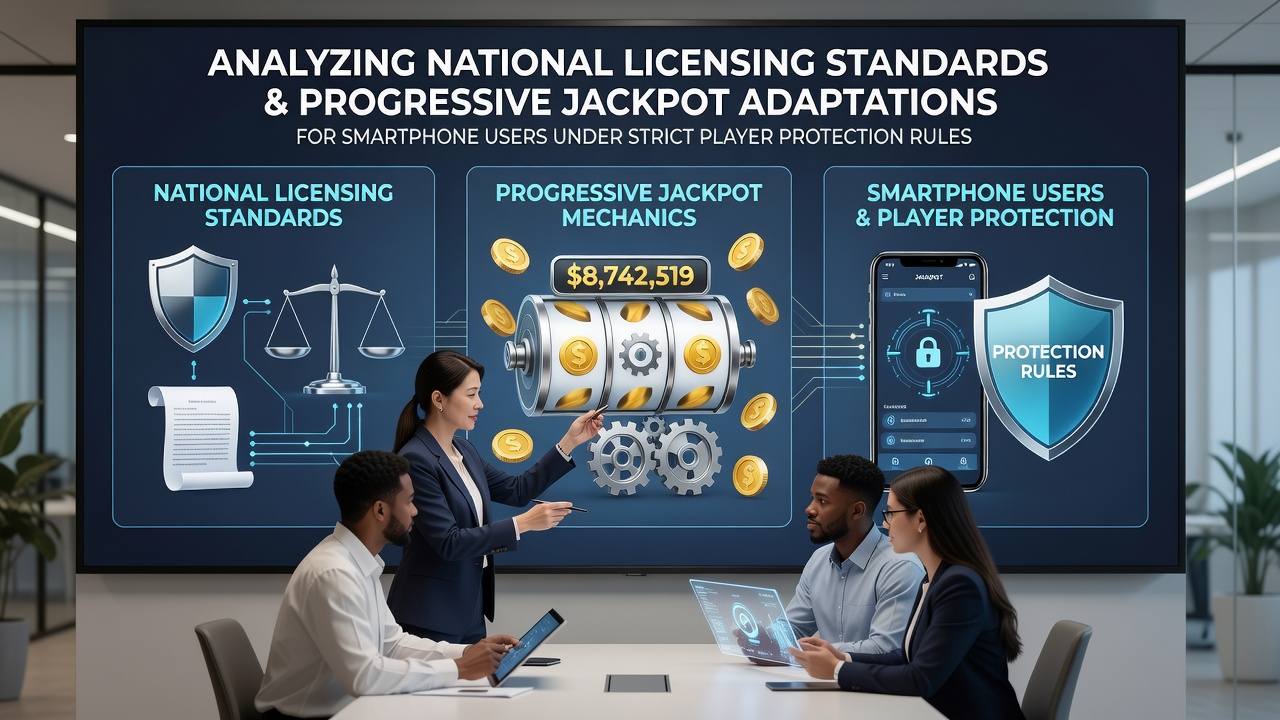
National licensing standards shape progressive jackpot mechanics by imposing requirements on contribution rates, payout verification, and cross-border pooling restrictions that operators must satisfy before launching mobile-optimized games, while player protection rules add layers of spending caps and session monitoring that force developers to redesign how jackpots accumulate and trigger on smartphones. These frameworks differ across jurisdictions yet consistently push for technical adaptations such as real-time RNG audits embedded in apps and automated limit enforcement that syncs with device notifications.
Core Licensing Requirements Across Regions
Data from regulatory bodies shows that licensing authorities in multiple countries mandate separate certification for mobile platforms, which means progressive systems cannot simply scale desktop versions but must incorporate device-specific variables like screen resolution and touch-based interactions that affect how players view accumulating prizes and place bets. In October 2026, updates from several oversight agencies highlighted new clauses requiring jackpot displays to include live contribution percentages updated every second on mobile interfaces to maintain transparency.
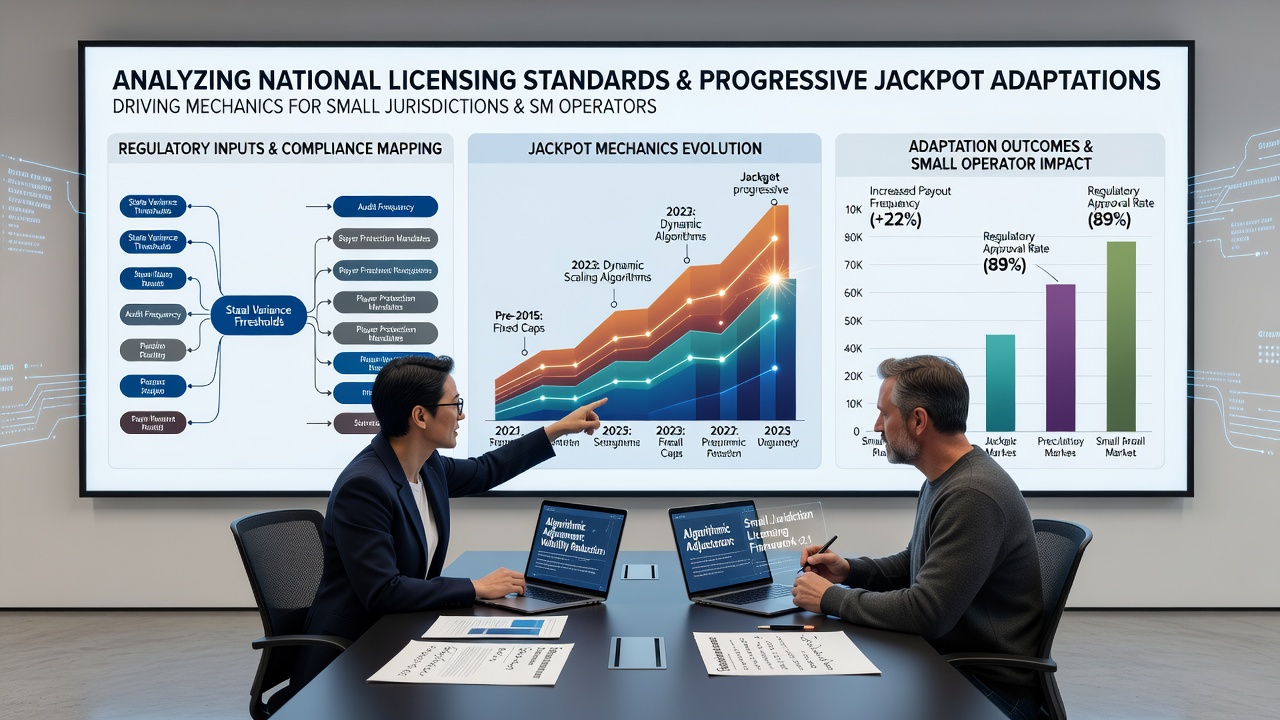
Operators adapt by integrating modular jackpot engines that adjust contribution percentages based on local rules, for instance lowering the rate from five percent to three percent in markets with tighter player protection thresholds, and this change flows directly into smartphone software through over-the-air updates that recalibrate the entire pool without interrupting ongoing sessions. Such flexibility prevents license violations while keeping games functional across borders.
Technical Adjustments for Smartphone Platforms
Smartphone users encounter jackpots that reset or cap at certain thresholds because licensing standards prohibit unlimited growth in jurisdictions enforcing strict loss limits, and developers respond by creating tiered structures where smaller daily jackpots feed into larger weekly ones displayed through clean mobile dashboards. Research indicates these adaptations maintain player engagement without breaching daily deposit caps enforced at the account level.
Network latency on mobile connections further influences mechanics since licensing rules demand instantaneous win notifications and instant fund transfers to comply with fairness standards, leading to cloud-based jackpot servers that synchronize across devices and reduce disputes over delayed triggers. Observers note that operators now test these systems extensively on various smartphone models to meet certification timelines.
Player Protection Integration and Compliance
Strict player protection rules embedded in national licenses require progressive jackpots to pause or redirect contributions once a user hits predefined spending markers, and this forces mechanic changes such as segmented pools that isolate mobile play from other channels to allow granular tracking. Figures reveal that systems now flag high-velocity betting patterns on smartphones and automatically divert portions of the jackpot contribution to responsible gambling funds instead of the main prize.
One study from the Australian Institute of Criminology examined how these automated interventions affect jackpot frequency and found measurable shifts in trigger rates after protection features activate, prompting further refinements in algorithms used by licensed providers. Another report from Canadian gaming research centers documented similar patterns where mobile-specific rules led to hybrid jackpot models blending local and shared contributions under one license.
Emerging Patterns in October 2026
By October 2026, several licensing renewals incorporated clauses around AI-driven monitoring of jackpot participation on smartphones, requiring operators to log every interaction that could influence pool growth and submit anonymized datasets for periodic review. These additions build on existing standards by demanding that apps display personalized risk indicators alongside jackpot meters without disrupting the visual flow of the game.
Adaptations include dynamic contribution sliders that adjust based on a user's historical play data pulled from the licensed platform, ensuring compliance while preserving the excitement of growing prizes across connected mobile sessions. Industry organizations such as the National Council on Problem Gambling have tracked resulting changes in player behavior metrics following these implementations.
Conclusion
National licensing standards continue to drive targeted modifications in progressive jackpot mechanics tailored for smartphone environments, with player protection mandates serving as the primary catalyst for features like real-time caps, segmented pools, and integrated monitoring tools. Data shows these evolutions maintain regulatory compliance across diverse markets while supporting operational continuity for operators who invest in flexible technical architectures.